
In the context of spaceflight, a satellite is an object which has been placed into orbit by human endeavor. Such objects are sometimes called artificial satellites to distinguish them from natural satellites such as the Moon.
Please click on the name of the Satellite to read more about it.
Aryabhatta
Bhaskara-I
Bhaskara-II
Rohini series (RS-1)
Stretched Rohini Satellite Series (SROSS)
IRS-1A Satellite
IRS-P1 Satellite
* * * Present Satellites * * *
IRS-P2 Satellite
IRS-1C Satellite
IRS-P3 Satellite
IRS-1D Satellite
IRS-P4 (Oceansat-1)
IRS-P6 (ResourceSat)
IRS-P5 (CARTOSAT -1)
IRS-P7 (CARTOSAT -2)
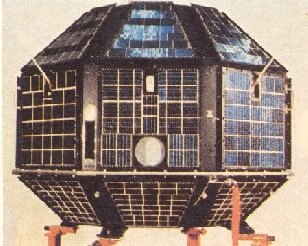
(First Indian Experimental Satellite)
Launch Date : April 19, 1975
Weight : 360 kg
Orbit : 619 x 562 km inclined at 50.7 deg
Lauched by : Soviet Intercosmos rocket.
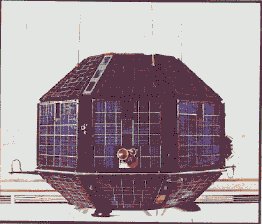
(First Indian low orbit Earth Observation Satellite)
Launch Date : June 7, 1979
Weight : 444 Kg
Orbit : 619 x 562 km inclined at 50.7 deg
Lauched by : Soviet Intercosmos rocket.
(First Indian low orbit Earth Observation Satellite)
Launch Date : Nov. 20, 1981
Weight : 444 Kg
Orbit : 619 x 562 km inclined at 50.7 deg
Lauched by : Soviet Intercosmos rocket.
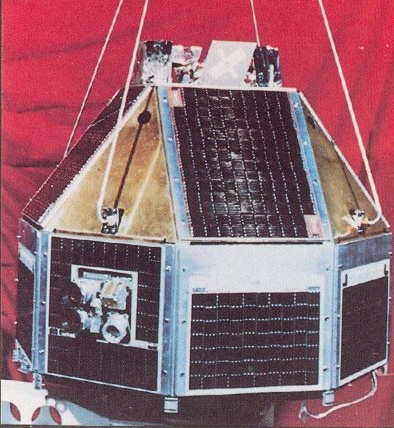
(Launched by Indian launch vehicle SLV-3 )
First RS-1
Launch Date : July 18, 1980
Weight : 35 kg
Orbit : 300 km x 900 km elliptical orbit (97 minutes period)
Lauched by : India, SLV-3 rocket
Second RS-1
Launch Date : May 30, 1981
Weight : 35 kg
Lauched by : India, SLV-3 (D-1) rocket
Orbit : 300 km x 900 km elliptical orbit (97 minutes period)
Third RS-1
Launch Date : April 17, 1983
Weight : 35 kg
Lauched by : India, SLV-3 (D-2)rocket
Orbit : 300 km x 900 km elliptical orbit (97 minutes period)
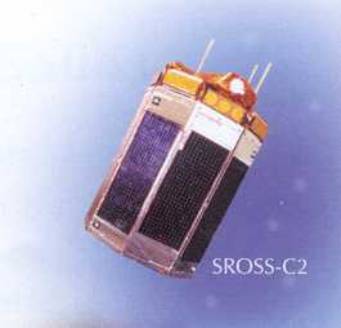
Stretched Rohini Satellite Series (SROSS)
Lunched by India's Augmented Satellite Launch Vehicle, ASLV, on May 20, 1992 and May 4, 1994 respectively.
IRS-1A Satellite (First Operational Satellite )
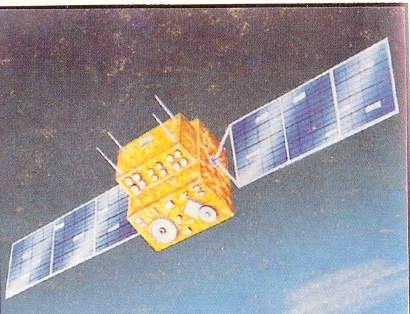
This is first indigenously built sun-synchronous polar orbiting satellite.
Orbit Details
Launch date : March 17, 1988 (Soviet Launcher VOSTAK used)
Altitude : 904 Kms.
Inclination : 99.049 degrees
Period : 103.19266 minutes
Repetivity : 22 days
Equatorial crossong time : 10.25 AM descending
Weight : 975 Kg.
IRS-P1 Satellite (Indigenously Launched (P) Series)
IRS-P series are being launched by indigenously developed polar launch vehicle ( PSLV ). Due to failure in last stage of rocket, satellite and rocket were plunged into sea.
This is similar to IRS-1A satellite in all aspects.
Orbit Details
Launch date : August 29, 1991 (Soviet Launcher VOSTAK used)
Altitude : 904 Kms.
Inclination : 99.049 degrees
Period : 103.19266 minutes
Repetivity : 22 days
Equatorial crossong time : 10.25 AM descending
Weight : 975 Kg.
IRS-P2 Satellite (Indigenously Launched (P) Series)
Orbit Details
Launch date : Oct. 15, 1994
Altitude : 817 Kms.
Repetivity : 24 days
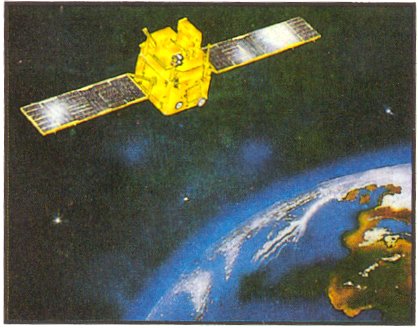
This is one of the best satellites having highest spatial resolution of 5.8 m in Panchromatic and 23.5 m in multispectral.
Orbit Details
Launch date : Dec. 28, 1995 (Soviet Launcher Molniya used)
Altitude : 817 Kms.
Inclination : 99.049 degrees
Period : 101.35 minutes
Repetivity : 24 days (5 days - revisit)
Equatorial crossong time : 10.30 AM descending
Weight : 1250 Kg.
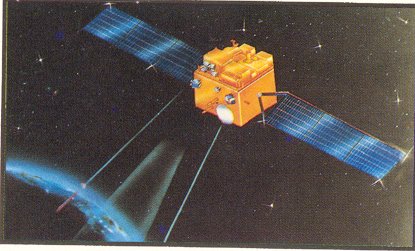
Orbit Details
Launch date : March 21, 1996 (Indigenous PSLV-D3 rocket is used)
Altitude : 817 km.
Inclination : 99.049 degrees
Period : minutes
Repetivity : days
Equatorial crossong time : 10.30 AM descending
Weight : Kg.
No. of Sensors : Two 1) WiFs, 2) MOS (Modular Optoelectronic Scanner)
IRS-1D Satellite (Indigenously launched operational satellite)
Satellite entered in elliptical orbits instead of circular after it was separated from rocket. Due to this problem, there is change in swath, resolution according to orbit distance from the earth center.
Launch date : Sept. 29, 1997 (indigenous PSLV-D4 rocket was used)
Equatorial Crossing time: 10.40 A.M
Altitude : 737 Km(Perigee)/821 Km. (Apogee)
Repetivity : 24 days; ( 3 days revisit)
No. of Sensors : Three; 1) PAN, 2) LISS-III and 3) WiFS
Launch Date : May 26, 1999 by indigenous PSLV rocket
Launch Date : Launched on Oct. 17, 2003 PSLV-C5
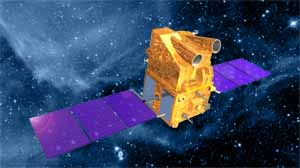
Launch Date : May 5, 2005 by indigenous PSLV rocket
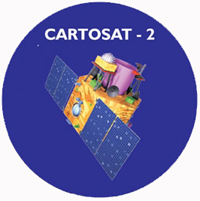
Launch Date : Jan 10, 2007 by indigenous PSLV-C7 rocket