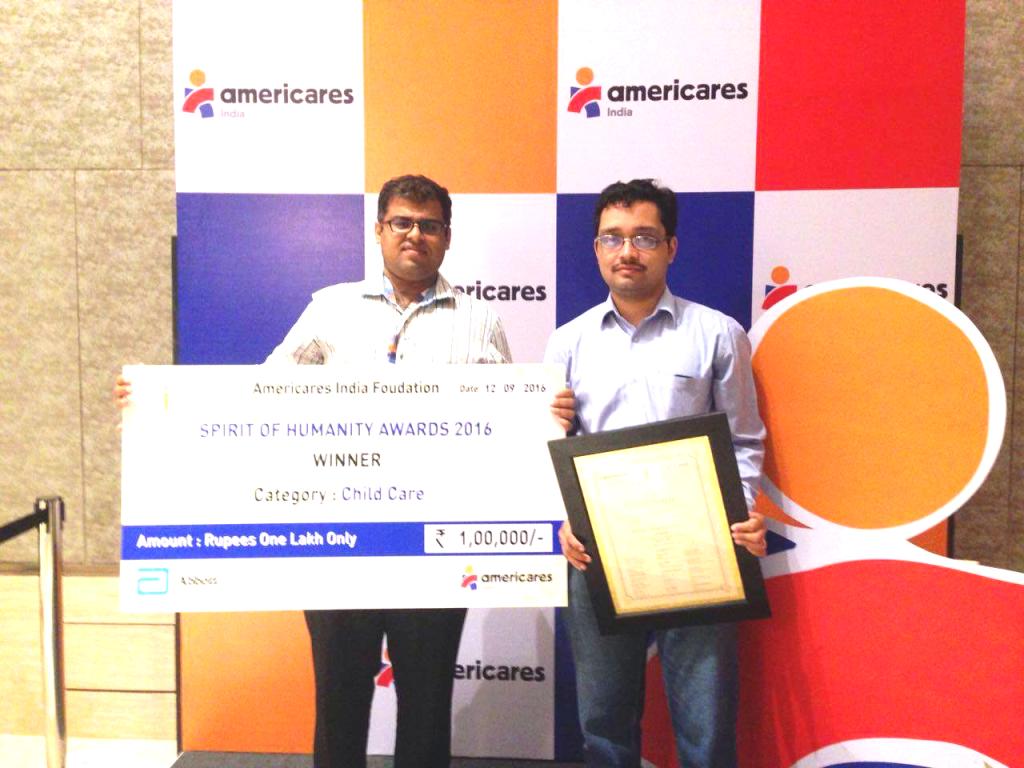
A friend in need is a friend indeed. Information made available when required the most is often invaluable. Helplines are meant and designed to serve this purpose. Our social structure often provides helplines for a lot of prevalent problems. 10 years ago it was a surprise for our little team that there is no helpline to help in search of blood. It was on September 13 2006 that the statewide helpline for blood in Karnataka took flight. Today it serves as a lifeline to thousands of patients every month.
August was a month of plenty in Bangalore - at least as far as blood is concerned. Unfortunately, still several blood donation camps are not carefully planned keeping in mind the demand of blood. When the colleges reopen after the summer vacation, there are several institutions who express desire to conduct camps. Most blood banks just choose to take up the opportunity to collect rather than engage with the organizers and attempt to better schedule the dates.
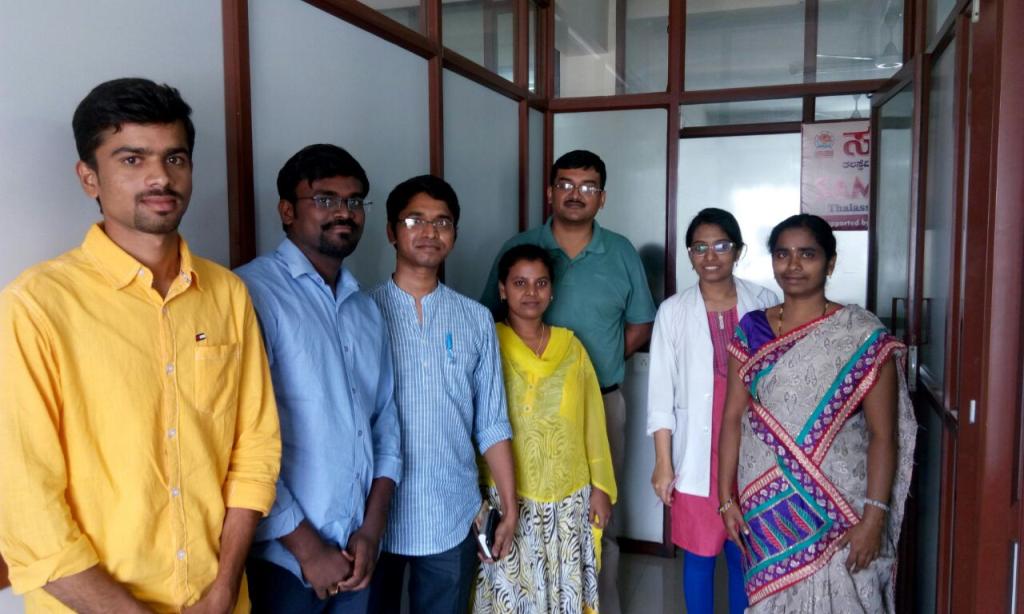
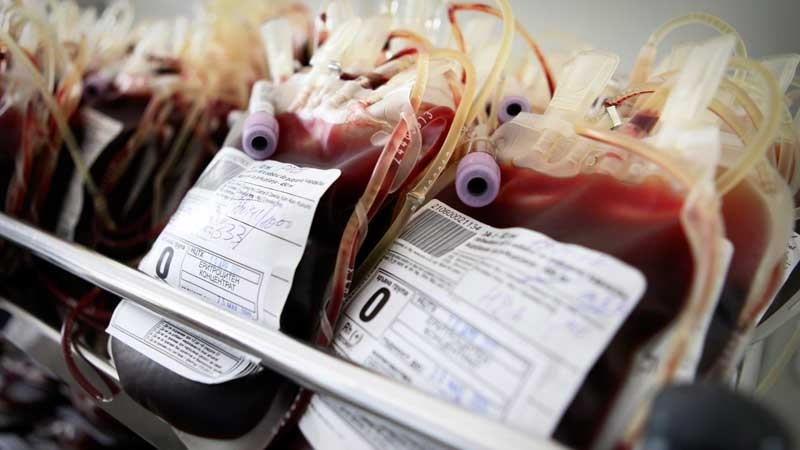
Last month we cross the 1000 mark for the number of blood units being transfused to patients suffering from thalassemia across the state of Karnataka. We must congratulate Rashtrotthana Blood Bank- Bangalore, Indira Gandhi Institute of Child Health-Bangalore and K L E Society Hospital and Medical Research Centre Blood bank for ensuring continued supply of safe and voluntarily donated blood for each of our patients completely free of cost.
Sankalp India Foundation, Bangalore, Think Foundation, Mumbai and We Care Trust, Mumbai collaborated with Kokilaben Dhirubhai Ambani Hospital,Mumbai and had started a Bone Marrow Transplantation Project at Mumbai for Thalassemia patients coming from financially poor background. The project was started in April 2016 and Karan Veer Singh from Think Foundation was the project coordinator. The first child who was transplanted was about to get discharged and the second child had got admitted. At this time we had a shocking news.