When requests for more commonly available B+ve and O+ve units become a norm on our helpline, it is an indication that the need of the hour is more blood donation drives. Come mid April, and the first traces of the challenge were seen. Within 3 weeks the situation had worsened. How prepared was Sankalp to fight this out?
Well, we would say that the preparation was fair. The team working on blood donation drives had started speaking to several organizations since March and was looking to have a continuous series of blood donation drives.
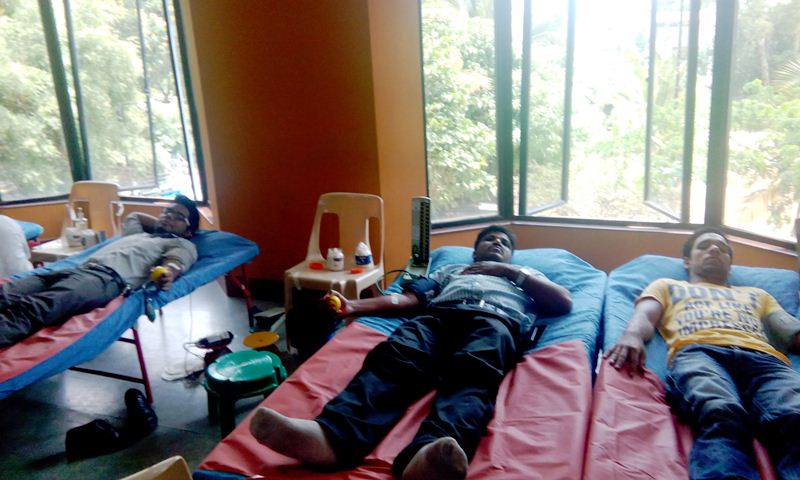
Rakta Kranti As expected, the month of May was hard on blood banks with fading blood stocks. This meant that the demand for camps was more and hence the RK wing of Sankalp was busy in planning and getting in more drives. As many as 19 blood donation drives were organised through the month bringing in some relief in the difficult period. 1609 units of blood were collected in these camps.
Voluntary blood donation drives are the cornerstone of a continuous supply of safe blood in India. Organising a voluntary blood donation drive means not only making necessary infrastructure arrangements but also creating awareness and education among a large potential donor pool to motivate them to come forward and donate blood. Donor recruitment and retention have been key challenges for blood banks and voluntary blood donor organisations across the world.
Sankalp India Foundation has been organising regular voluntary blood donation drives since March 2007.
We have come a long way. Over the past 12 years, Sankalp has evolved from a group of college students toiling hard to ensure no one in their vicinity suffers due to shortage of blood into a structured organization working with experts and taking Karnataka towards 100% voluntary blood donation and a making the state thalassemia free. Over the past 12 years, the organization has conducted hundreds of blood donation drives, adhered to lakhs of blood requests and provided care and better management to hundreds of children suffering from Thalassemia.
Every day numerous children suffering from thalassemia, pregnant women, individuals who met with accidents, people in deed of surgery, people fighting cancer and many more patients receive the gift of life donated by unknown voluntary blood donors.
Thank you blood donors for being there for them.
Your Selfless contribution preserves hope, gifts smiles and saves lives!
KEEP GIVING FREELY. GIVE OFTEN. BLOOD DONATION MATTERS.

 Rakta Kranti As expected, the month of May was hard on blood banks with fading blood stocks. This meant that the demand for camps was more and hence the RK wing of Sankalp was busy in planning and getting in more drives. As many as 19 blood donation drives were organised through the month bringing in some relief in the difficult period. 1609 units of blood were collected in these camps.