Last month we looked into various aspects on definition of an adverse event. Steps to help in grading of severity and categorisation of the complication was laid out in detail. We look at the next step in this edition: We take a closer look at what strategies can be adopted to control/prevent these adverse reactions
Sankalp India Foundation is committed to improving the access to care and management for the children suffering from thalassemia. In order to ensure that each child walking into one of the centers supported by us gets adequate (if not at par with the best) care and management, we constantly strive to find solution to the most pressing problems of the management of this disorder. Significant progress was made in the month of February to ensure proper management of thalassemia for the poorest of poor.
The last edition of the Patrika laid the prelude to understanding and handling adverse events in outdoor voluntary blood donation drives. Like mentioned last time, Sankalp India Foundation has designed a protocol for handling such events. In this edition of the Patrika, we shall focus on identification of Adverse events in blood donation drives. A problem well stated is like a problem half solved.
Let us see what January had in store for us at Sankalp.
Emergency Wing
With most of the request getting handled at the Disha helpline, the emergency team handled 26 emergency requests this month out of which 14 were for negative groups. Interestingly, more half of these requests were from outside Bangalore.
Technically, it was not a celebration - but we could not think of a more meaningful way. We thought inching a few children closer to better care and treatment could be a nice way to express the feelings on the Republic Day.
On February 1, 2014 Sankalp's Rakta Kranti team reached a special landmark - the collection of 10,000+ units of blood in 10 months of the ongoing financial year.

 The last edition of the Patrika laid the prelude to understanding and handling adverse events in outdoor voluntary blood donation drives. Like mentioned last time, Sankalp India Foundation has designed a protocol for handling such events. In this edition of the Patrika, we shall focus on identification of Adverse events in blood donation drives. A problem well stated is like a problem half solved.
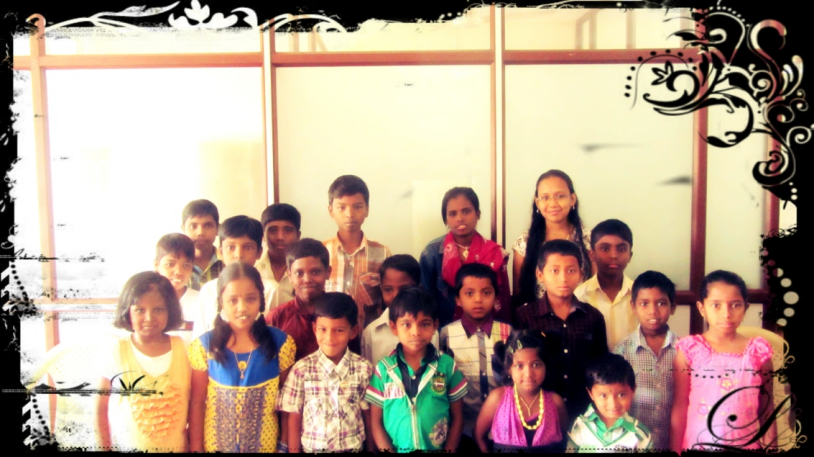 Technically, it was not a celebration - but we could not think of a more meaningful way. We thought inching a few children closer to better care and treatment could be a nice way to express the feelings on the Republic Day.