November 2014, Vol 4, Issue 11

Fail Story: How we failed to improve voluntary blood donation at a private hospital based blood bank

Fail Story is a new section in Sankalp Patrika. We often share stories of success with you. We thought that it may be interesting or rather important to share with you the stories of failure that we face. We hope that one of you will find a better solution to the problems we faced. At least the learning we had could be made known  so that the next attempt does not have to discover the problems all over again.

Are we doing enough? Are we doing it right?

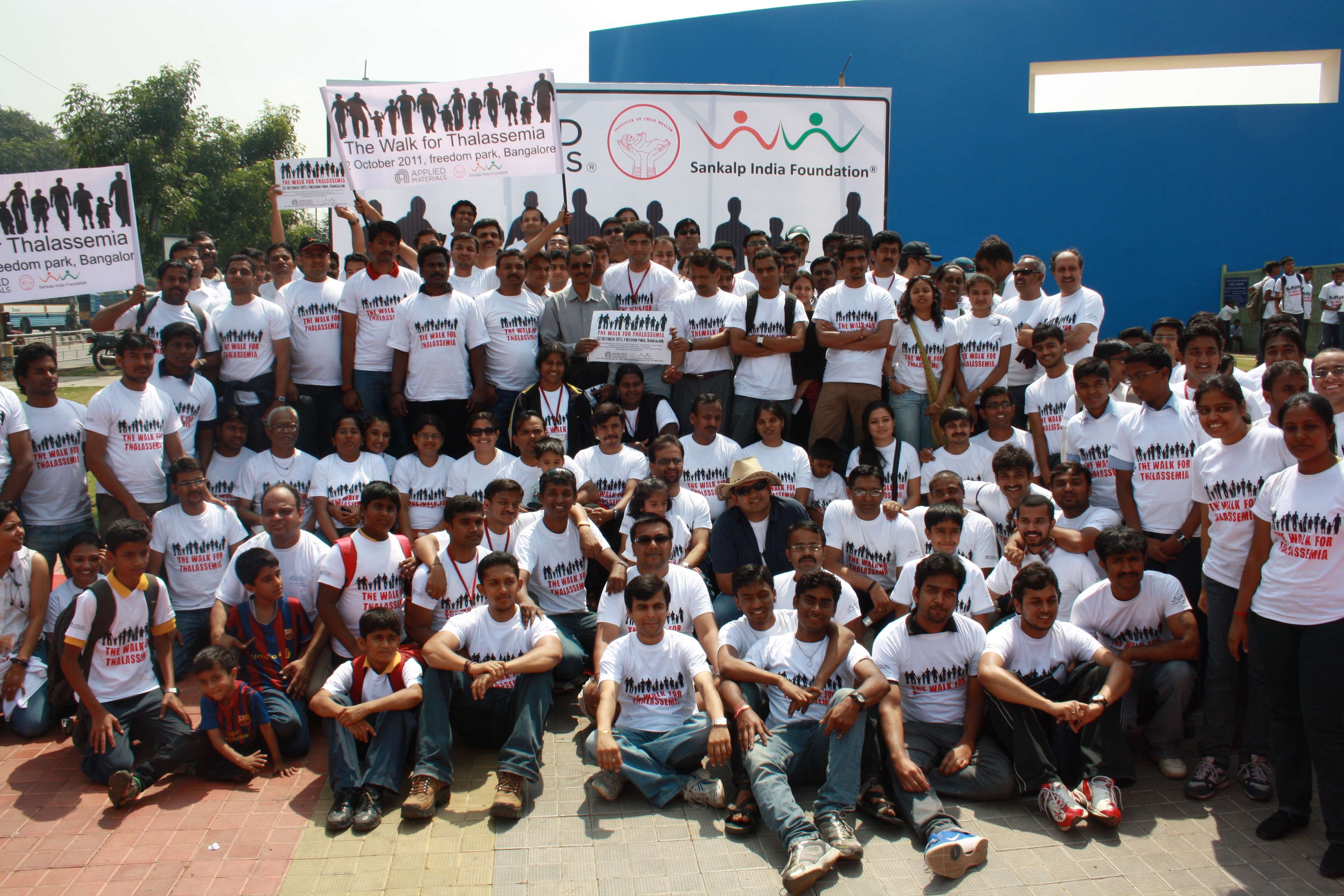
Sankalp has been involved in thalassemia management for last 3 years. What started as an initiative with very little prior experience and knowledge has blossomed into a comprehensive thalassemia management and care program. In the last three years we have benchmarked our performance with our won prior results and using the Thalassemia international Federation's guidelines for clinical management as the gold standard to compare against. Centres supported by us have indeed shown vast improvement in the quality of care being given to the thalassemia patients.

Do we really need fresh blood?

In India the demand for fresh blood units  especially in case of cardiac surgeries has been a major challenge for the voluntary blood donation program. Though vast majority of associated clinicians agree that there is no need for so called fresh blood units  but still the hospitals involved in cardiac surgeries continue to demand 'fresh' units.  In such scenarios the blood available off the shelf coming from voluntary blood donors becomes useless for the patient. This also encourages the practice of replacement blood donation. 

12 lessons we learnt in our journey of Thalassemia Management

Sankalp is committed to the cause of ensuring no one dies due to lack of blood. We follow high standards of quality monitoring. We realized that we were receiving unusually high no of repeated blood requests from a ward in a Govt. Hospital. Additionally, the patients for whom blood was required were also the same. In order to understand the situation better, the volunteers visited that ward in 2010.  They were confronted with children who had hemoglobin of 3-6 gm/dl. Someone explained to the volunteers that the children were suffering from thalassemia.